South Korean Police Face Backlash Over Handling of Gwangju Murder Case
In a shocking turn of events, South Korea’s police have apologized for their handling of the Jang Yoon-gi case, a high-profile murder investigation that has left the nation reeling with outrage. The apology comes as allegations have emerged that a police officer, who is the suspect’s father, destroyed evidence related to the killing of a 17-year-old high school girl in Gwangju.
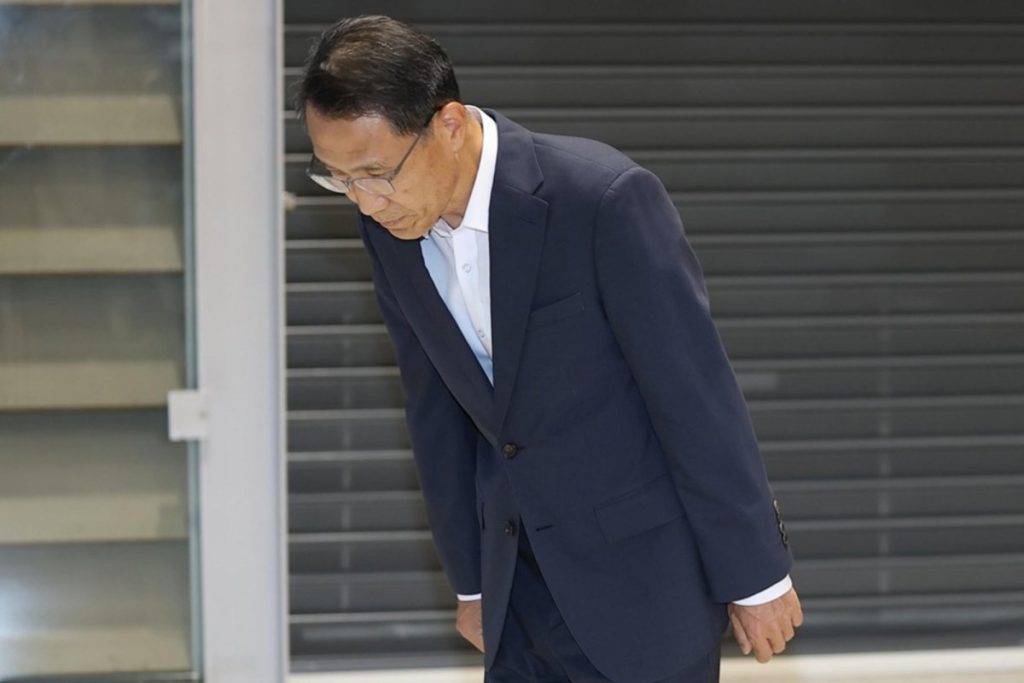
Acting Commissioner General Yoo Jae-sung offered the apology during a video meeting with police commanders nationwide, expressing deep regret for causing another wound that will be difficult for the bereaved family to heal. He also acknowledged the public’s disappointment and pledged to investigate all matters raised in the case quickly and thoroughly, leaving no suspicion unresolved.
Yoo pledged swift action to address problems exposed by the case, including the creation of separate units to improve investigative procedures and investigate internal corruption. He emphasized that the police will reform investigative processes to restore public trust and ensure that every member of the police fulfills their responsibility as delegated by the public.
The Jang Yoon-gi case began in May when Jang, 24, allegedly tried to drag 17-year-old Lee Chae-won into his car near a high school in Gwangsan District, Gwangju, while she was on her way home. He is accused of killing her with a knife and injuring a male high school student who tried to stop him.
Police sent Jang to prosecutors on charges including murder and attempted murder under the Criminal Act. However, after a supplementary investigation, prosecutors concluded that Jang had committed murder for the purpose of a sex crime and indicted him on June 3 on charges including rape-murder under the Act on Special Cases Concerning the Punishment of Sexual Crimes.
Under South Korean law, murder is punishable by at least five years in prison, life imprisonment, or death. Rape-murder is punishable only by life imprisonment or death.
The case has drawn widespread outrage, with signs emerging of an organized cover-up and evidence destruction during the police investigation of Jang. A police lieutenant who led the violent crimes team at Gwangsan Police Station was arrested in connection with the case.
As public attention grew, politicians also joined criticism of the police. Democratic Party lawmakers on the National Assembly Public Administration and Security Committee visited the Korean National Police Agency on Friday and called for a thorough investigation into allegations that police destroyed evidence related to the Jang case. They urged the acting police chief to conduct an investigation without sanctuary into everyone involved, punish those responsible, recognize the seriousness of the situation, mobilize all investigative resources to determine the truth, reopen the evidence destruction inquiry, and investigate all members of the Gwangju Metropolitan Police Agency in connection with alleged leaks of investigative secrets.
The opposition People Power Party also criticized the police. Party leader Jang Dong-hyeok visited the Gwangju Metropolitan Police Agency on Thursday and sought a meeting with Commissioner Kim Young-geun, but the meeting did not take place. Rep. Chung Jeom-sig, the People Power Party floor leader, proposed that the ruling party, opposition, and government open a consultative forum on investigative agency reform, including measures to check the police’s complete monopoly over investigations.
Chung emphasized that the president and the government should not hide behind the excuse of police independence and act as if this is not their responsibility. He urged them to take responsibility for bold organizational reform of the police.
The incident has raised concerns about the integrity of the police and the need for greater transparency and accountability in investigations. As the police work to restore public trust, they face a daunting task of addressing the deep-seated problems that have led to this crisis of confidence.
The case has sparked a national conversation about the need for police reform and the importance of ensuring that the justice system serves the people, not just the powerful.