Unlock Better Wi-Fi Coverage by Mastering Router Antenna Placement
Have you ever stopped to think about the impact of your router’s antenna placement on your home Wi-Fi coverage? While it’s easy to overlook the importance of this detail, getting it right can make a significant difference in your online experience.
Source: engadget.com
Most of us plug in our router, leave it in a corner, and only think about it again when the internet is down. But the truth is, the position of your router’s antennas directly affects Wi-Fi signal strength, coverage range, and dead zones throughout your home.
Source: engadget.com
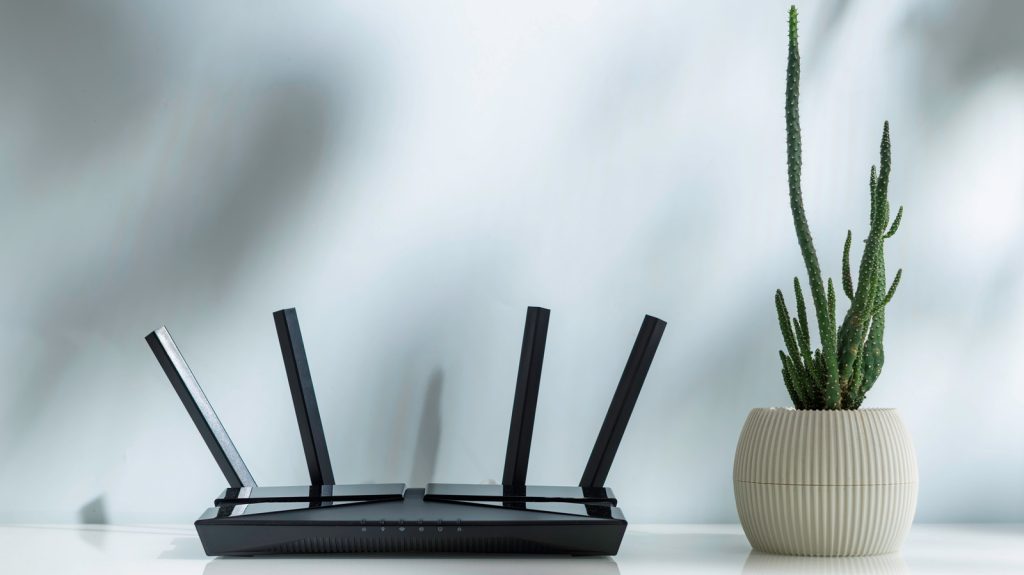
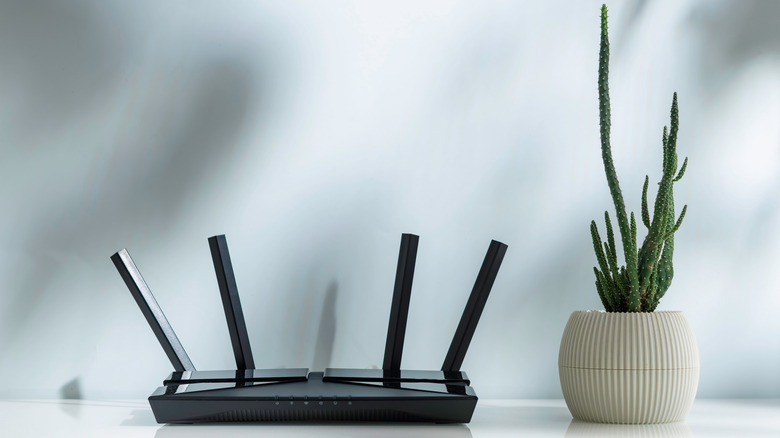
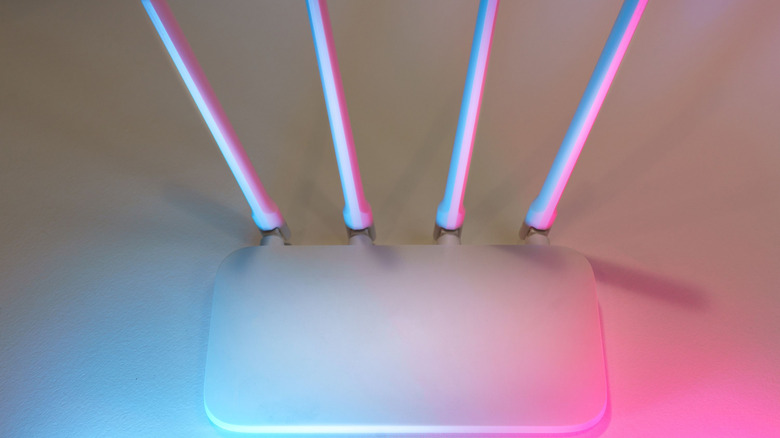
The key to optimal Wi-Fi coverage lies in understanding how Wi-Fi antenna signals work. Most router antennas are omnidirectional, meaning they broadcast in all directions at the same time. The signal is strongest perpendicular to the antenna, not along it. This means a vertical antenna that points straight up radiates signal outward horizontally, covering the floor you’re on.
Source: engadget.com
A horizontal antenna, on the other hand, pushes the signal upward and downward, making it useful for homes with multiple floors. This is why the way you set your antenna direction has real consequences. When it comes to modern dual-band routers, which broadcast on two frequencies simultaneously, the choice of antenna orientation can make a significant difference.
For single-floor homes or apartments, pointing all antennas straight up is the way to go. This causes signals to radiate horizontally, hitting your entire home. However, for homes with multiple floors, pointing all antennas straight up can leave other levels underserved. The solution is to angle at least one antenna at around 30 degrees, allowing the signal to spread both sideways and vertically.
The principle behind this is simple: mixing antenna orientations fills in the gaps that a single direction leaves behind. As long as you match your antenna setup to the shape of your home, you’ll notice fewer dead zones.
But where should you place your router for the best coverage? When it comes to router placement, there are three factors to consider: how central the location is, how high off the ground the router sits, and what’s sitting nearby that could disrupt the signal.
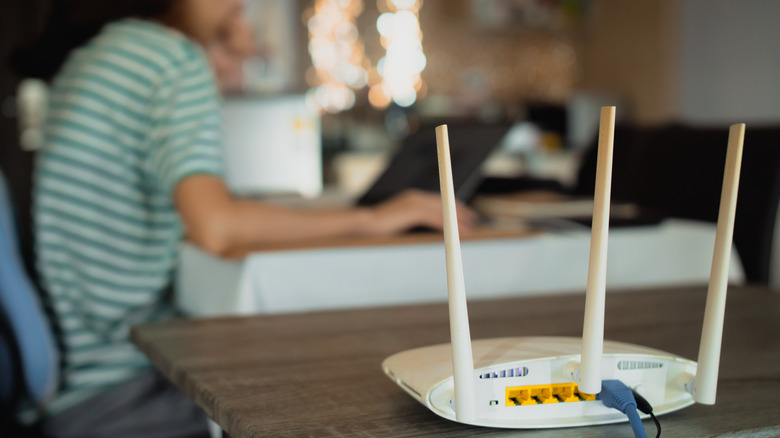
A router needs a central location, far from exterior walls to minimize signal waste. TP-Link recommends placing your router about 1 to 1.5 feet off the ground, aligning the signal with most of your devices. It’s also essential to keep your router away from common household items that can interfere with your Wi-Fi signal, such as microwave ovens, fish tanks, Bluetooth devices, metal objects, and thick concrete walls.
By following these simple tips and being mindful of your router’s antenna placement, you can unlock better Wi-Fi coverage and a smoother online experience.
Whether you’re a homeowner or a business owner, getting your Wi-Fi setup right is crucial for staying connected and productive. By taking the time to master router antenna placement, you can enjoy faster speeds, stronger signals, and fewer dead zones throughout your home or office.
So, take the time to position your router’s antennas correctly, and experience the difference for yourself. With a little effort and knowledge, you can turn your Wi-Fi setup into a powerful tool for success.