Discover the Hidden Gem of Eastern Europe for Digital Nomads
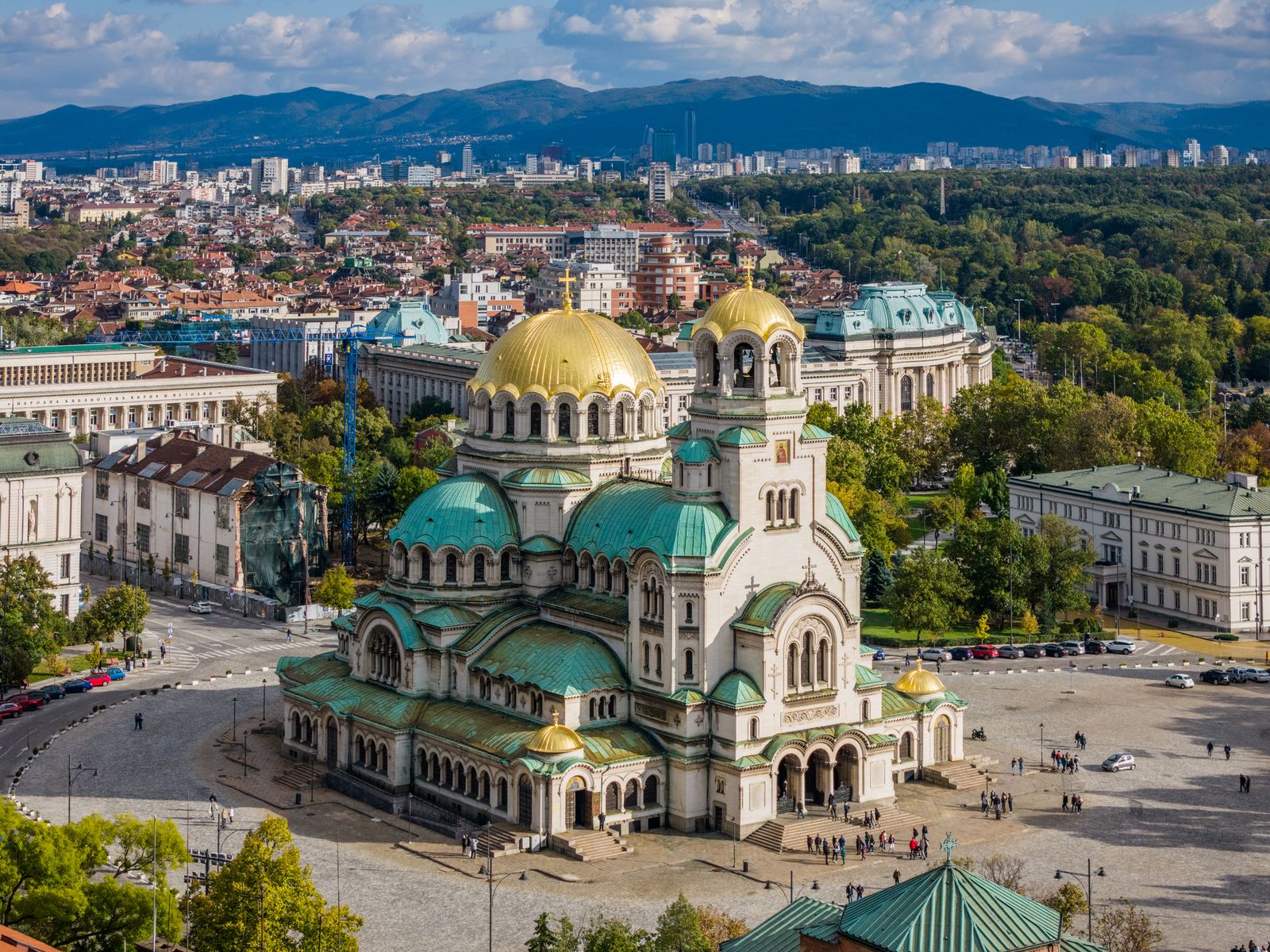
Bulgaria, a country nestled in the heart of Eastern Europe, is often overlooked by travelers and remote workers alike. However, this stunning nation is slowly but surely gaining popularity among digital nomads due to its incredibly affordable digital nomad visa program.
Source: media.cntraveler.com
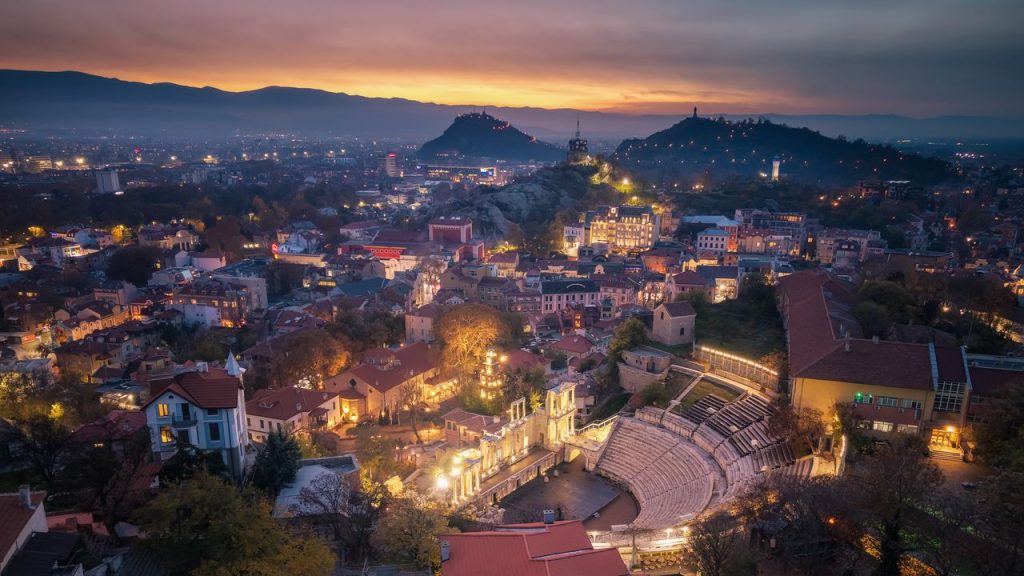
Located on the Black Sea, Bulgaria boasts a rich history, breathtaking landscapes, and a vibrant cultural scene. From the ancient city of Plovdiv to the stunning beaches of Sunny Beach, there’s no shortage of exciting places to explore in this captivating country.
According to the Bulgarian News Agency, the digital nomad visa program was launched in December 2025 with the aim of attracting high-spending skilled workers to the region. As a member of the European Union, Bulgaria’s digital nomad visa also grants recipients the freedom to travel throughout the Schengen area, comprising 28 countries.
Qualifying for the Digital Nomad Visa
Remote workers can qualify for the Bulgarian digital nomad visa in one of three ways:
- Work for a company outside the EU, Switzerland, or the European Economic Area (EEA);
- Own at least 25% of an international company;
- Have provided services for a non-Bulgarian company for at least a year prior to applying.
It’s worth noting that the long-stay visa lasts for one year, with the option to extend another 12 months. This relatively low barrier to entry makes Bulgaria an attractive option for digital nomads looking to explore the Schengen area.
The program’s biggest draw, however, is its affordability. According to EuroNews, applicants must show proof that their annual salary is at least 50 times the country’s monthly minimum wage of 620 euros (approximately $709), or €31,000 (approximately $35,460) a year. Compared to other European countries, Bulgaria’s digital nomad visa is an incredibly affordable option for remote workers.
For instance, Spain’s digital nomad visa requires an annual salary of $39,036, while Czechia demands $40,320. Portugal’s threshold is $42,132, and Malta’s is a whopping $45,233. Bulgaria’s digital nomad visa, on the other hand, offers a significantly lower barrier to entry, making it an attractive option for those looking to explore the region.
Application Process
While Bulgaria’s digital nomad visa is an attractive option, the application process can be lengthy and complex. Digital nomads must first obtain a long-stay Visa D while in their home country, a process that can take up to two months. With that visa, they can then enter Bulgaria to submit the necessary qualifying digital nomad visa documents, such as proof of income and a place to live. This process can take another month, and only when approved can the applicant apply for the official identification card, which may be another month-long procedure.
It’s worth noting that the application process can be time-consuming and requires careful planning and preparation. However, the benefits of Bulgaria’s digital nomad visa program make it an attractive option for remote workers looking to explore the Schengen area.
Conclusion
Bulgaria’s digital nomad visa program is an exciting development for remote workers and digital nomads. With its affordable requirements, stunning landscapes, and rich cultural heritage, Bulgaria is an attractive option for those looking to explore the Schengen area. While the application process can be complex and time-consuming, the benefits of this program make it an attractive option for those looking to experience the best of Eastern Europe.