Japan’s Parliament Enacts Historic Revision to the Imperial House Law
Japan’s parliament has enacted a historic revision to the 19th-century Imperial House Law by insisting only paternal-lineage men can become emperor, sparking fear that it could doom the already shrinking imperial family.
The revisions include adoption of distant male relatives to father future heirs and allowing princesses to keep their royal status after marrying commoners.
Concerns Over the Future of the Imperial Family
Royal watchers and experts fear the new measures could doom the 1,500-year-old hereditary institution by insisting that only men can be emperor, sparking worry about the shrinking, fast-aging imperial family.
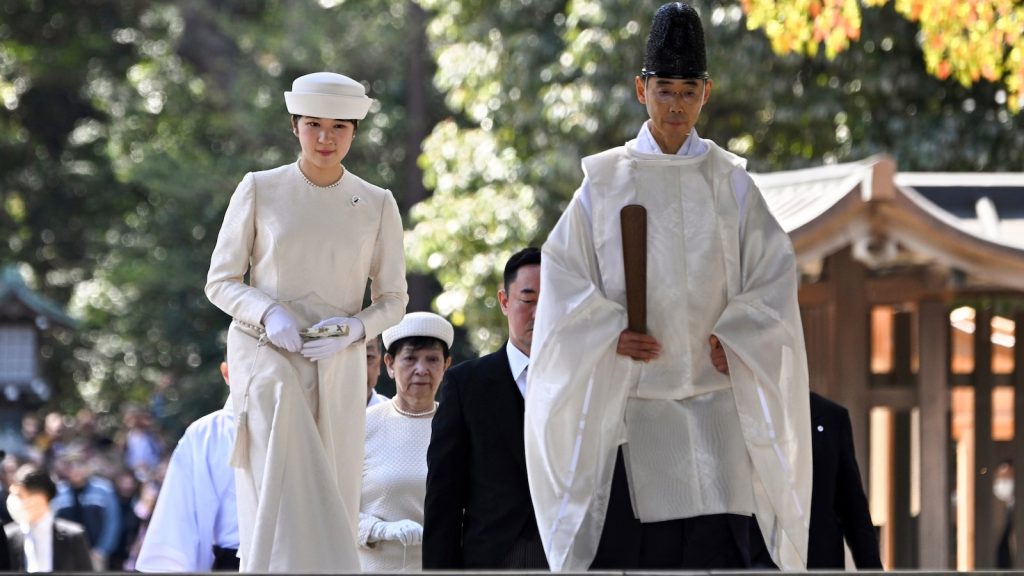
Emperor Naruhito’s 24-year-old daughter, Princess Aiko, is a popular figure, and many Japanese want her to be his successor, but she is ineligible because she is a woman.
Japan’s male-only succession rule means the line must move to the emperor’s younger brother, then to his 19-year-old nephew, Prince Hisahito. Next in line after him is the emperor’s 90-year-old uncle.
The Importance of Male Lineage
Prime Minister Sanae Takaichi and other conservatives insist the male bloodline is “the only source of the emperor’s authority and legitimacy,” which will be the basis for the upcoming measures.
While an emperor’s mother can be a commoner, as is the case with the current one, only boys born to men with royal blood can be heirs to the throne, according to the Imperial House Law.
Criticisms of the New Measures
Hideya Kawanishi, a Nagoya University expert on monarchy, said, “It’s a declaration to prevent female monarchs … and to defend the male-lineage at all costs. They cannot say it’s male chauvinism, so they call it tradition.”
Chizuko Ueno, a prominent feminist scholar, wrote, “It’s very ironic that the first female prime minister herself is the leading proponent of the obsession with male succession.”
Ueno said the new measures “treat male royals as stallions and put female royals under pressure as ‘childbearing machines’ to produce male offspring.”
Future of the Imperial Family
The new measures will allow unmarried male descendants, aged 15 or older, of distant imperial relatives — but only of paternal lineage — to be adopted into the royal family.
However, there are concerns that the government’s push will upset former Emperor Akihito’s legacy, which included making amends for the victims of World War II, fought in his father’s name.
Akihito reportedly supports Aiko’s succession and has stated that female royals served a major role in the monarchy and that its role was to work for the happiness of the people.
Impact on the Imperial Family
Only five of the 16 adults in the imperial family — there are no children — are men.
Hisahito, the first male royal baby born in four decades, is the focus of attention, but he will face enormous pressure to produce male offspring.
The adoption of distant male relatives will also be subject to scrutiny, and there are concerns about the treatment of former royals who renounced their status.
Many experts and historians believe that the male-only system is unworkable today, as Japan faces a fast-aging, dwindling population.
The system has been criticized for being inhumane and discriminatory against women, and many are calling for a change in the succession rules to allow for female monarchs.
Princess Aiko, known for her engaging smile, enthusiasm, and witty conversation, is a public favorite, and many Japanese want her to be the next emperor.
However, the current rules mean that she is ineligible for the throne, and the line will move to the emperor’s younger brother, then to his 19-year-old nephew, Prince Hisahito.