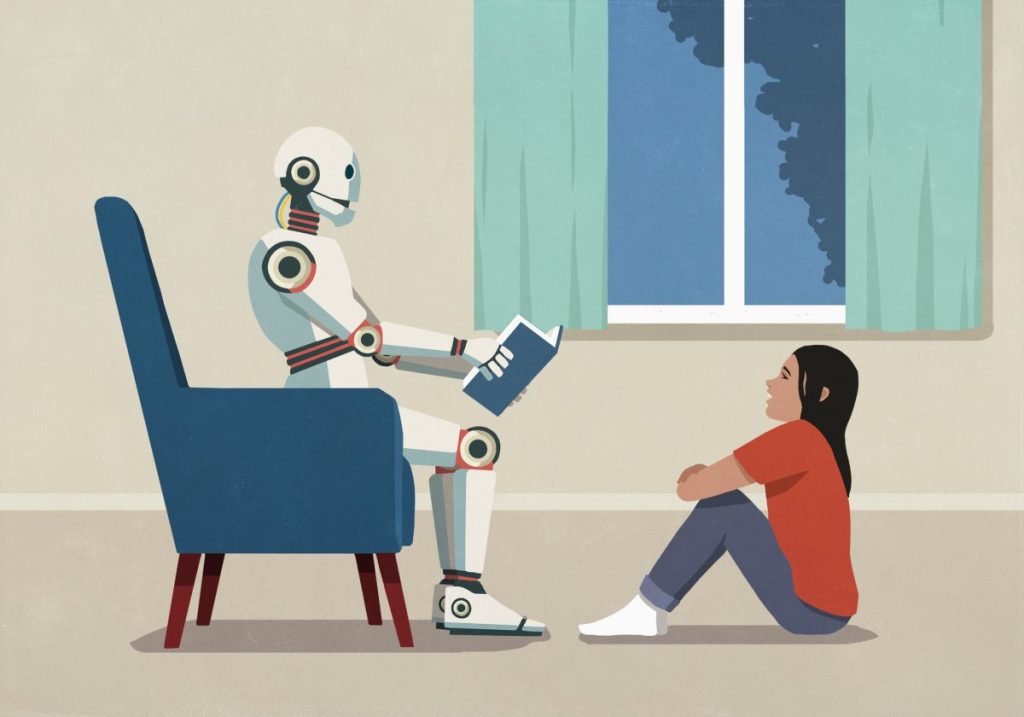
Meta’s AI Storytelling App: A Step Towards a Soulless Future?
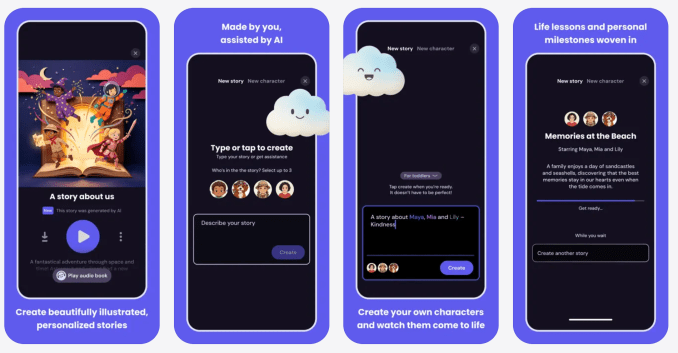
Meta, the parent company of Facebook and Instagram, has been testing an AI-powered storytelling app called StoryKit, which aims to create personalized, imaginative storybooks for children. The app uses artificial intelligence to craft unique stories with custom characters, settings, lessons, and music, making it an attractive option for parents who struggle to come up with creative ideas for bedtime stories.
Source: techcrunch.com
According to the App Store listing, ‘You don’t need to write a single word.’ This statement highlights the app’s reliance on AI, which can generate stories without any human input. While this might seem like a convenient solution for busy parents, it raises concerns about the potential impact on children’s imagination and creativity.
StoryKit allows users to create a character by snapping a photo of their favorite toy or person, which is then brought to life in the story. Users can also describe the world of their story and choose a lesson to incorporate, such as kindness, courage, or empathy. The app’s AI engine then weaves these elements together to create a unique story.
While the app’s features might seem appealing, it’s essential to consider the potential consequences of relying on AI-generated content. Humans have a unique ability to create and tell stories, drawing from their experiences, emotions, and imagination. By outsourcing this process to AI, we risk losing the creativity and authenticity that makes storytelling so valuable.
The app’s reliance on AI also raises concerns about the quality and accuracy of the stories it generates. While AI can process vast amounts of data, it often lacks the nuance and empathy that human storytellers bring to their craft. This could result in stories that are predictable, formulaic, and lacking in depth and emotion.
Moreover, the app’s focus on AI-generated content raises questions about the role of technology in our lives. As we increasingly rely on AI to perform tasks that were once the domain of humans, we risk losing the skills and abilities that make us unique. In the context of storytelling, this could lead to a loss of creativity, imagination, and emotional intelligence in future generations.
Ultimately, the success of StoryKit will depend on how parents and children respond to the app’s AI-generated stories. While it might provide a convenient solution for busy parents, it’s essential to consider the potential long-term consequences of relying on AI in this way.
As we move forward in the digital age, it’s crucial to strike a balance between the benefits of technology and the importance of human creativity and imagination. By doing so, we can ensure that our children continue to develop the skills and abilities that make them unique and capable of telling stories that inspire, educate, and entertain.
Meta’s StoryKit is just one example of the many ways in which AI is being used to automate and simplify tasks that were once the domain of humans. While this might seem like a convenient solution, it’s essential to consider the potential consequences of relying on AI in this way. By doing so, we can ensure that our children continue to develop the skills and abilities that make them unique and capable of telling stories that inspire, educate, and entertain.
In conclusion, Meta’s StoryKit app raises important questions about the role of technology in our lives and the potential consequences of relying on AI-generated content. While it might provide a convenient solution for busy parents, it’s essential to consider the potential long-term consequences of this trend.