The Global Second-Hand Video Game Market Threatened by Sony’s Decision
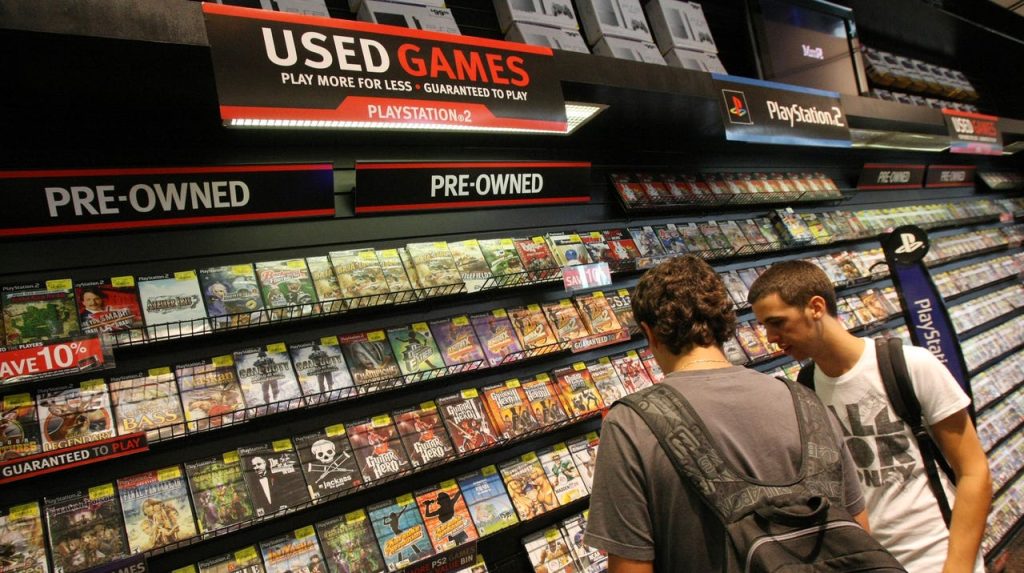
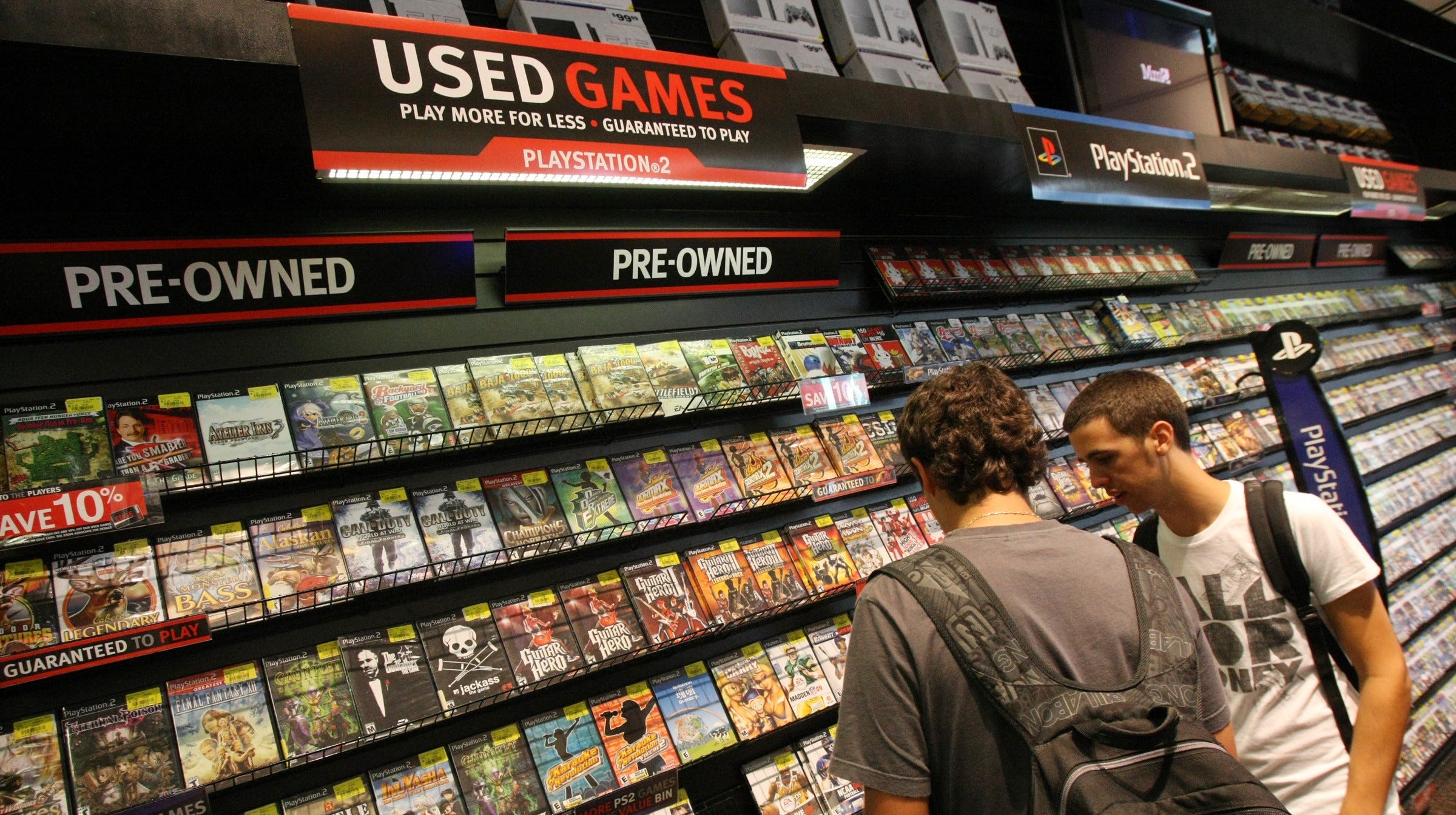
The second-hand video game market has been a staple of the gaming industry for decades, with many gamers selling or trading in their games to make some money back or to buy new games at a lower price. However, Sony’s recent decision to end production of PlayStation discs for new games from 2028 threatens to destroy this market.
Source: assets-prd.ignimgs.com
According to estimates from Dataintelo, the global second-hand video game market was valued at $7.2 billion last year and is projected to grow to $13.8 billion by 2034. Consoles account for 42.3% of the revenue share of last year’s valuation of the second-hand market, with North America being the biggest portion of that market.
GameStop and CEX led the competitive landscape in 2025, with Dataintelo attributing the second-hand market’s growth to concerns around affordability, the growing retro gaming culture, and digital-to-physical gaming transitions. However, Sony’s decision to ditch physical discs for PlayStation games threatens to destroy this market.
Sony’s Decision to Ditch Discs
Sony’s decision to end production of PlayStation discs for new games from 2028 is a significant blow to the second-hand market. The company’s rationale for ditching discs is that it’s following consumer trends, with new games being released on the PlayStation Store and at retailers in digital formats only.
However, this decision has been met with resistance from gamers and other groups. The UK’s Digital Entertainment and Retail Association (ERA) has called Sony’s decision ‘a triumph of corporate convenience over consumer choice.’ ERA’s CEO, Kim Bayley, stated that 25% of under 25s use discs for gaming, and that discs should remain as a choice on top of digital.
Bayley also highlighted the importance of true ownership, stating that discs can be shared with family, traded in, collected, preserved, and still played years from now. In contrast, download licenses often offer none of these freedoms.
Analysts Weigh In
Analysts have expressed concerns about Sony’s decision, with some predicting that the second-hand market will continue to shrink and eventually disappear. Michael Pachter, managing director of strategic planning at Wedbush Securities, stated that ‘brick and mortar game retail is doomed,’ given that historically, at least one third of games have been sold as used.
Kazunori Ito, director of equity research at Morningstar, also expressed concerns about the impact of Sony’s decision on the second-hand market. Ito stated that the market will ‘keep shrinking and eventually disappear.’
Government Authorities Unlikely to Intervene
Government authorities seem unlikely to be able to do much to prevent Sony from going through with its decision. The EU has stated that it is powerless to stop Sony from killing discs, and indeed any company from doing the same.
This has led some analysts to suggest that Sony will not reverse its decision, even if a significant number of gamers cancel their PlayStation Plus subscription in protest. Dr. Serkan Toto, CEO of Japanese game industry consultancy firm Kantan Games, stated that Sony will not reverse its decision, as the company has over 120 million active PlayStation users, and around 50 million people subscribe to PlayStation Plus.
Margin Benefits for Sony
For Sony, going all-digital for new game releases will earn it more money from every sale at a time when console sales are expected to plummet due to their rising cost. For a first-party PlayStation game such as The Last of Us, Sony will only keep around 65% of the money from a physical copy, with around 30% going to the retailer and roughly another 5% on manufacturing costs.
Meanwhile, for a physical copy of a third-party game such as the Activision-published Call of Duty, Sony will get a licensing fee, likely around 15%. For downloads, however, the margins are much higher. For a first-party game sold via Sony’s own PlayStation Store, the company obviously keeps 100% of the revenue. For third-party games such as Call of Duty, Sony keeps a 30% cut (so, roughly $21 for a $70 game).
Piers Harding-Rolls, games industry analyst at Ampere, has stated that a lot has changed over the course of the last two generations. ‘Console gaming is the last hold-out for physical media in the gaming sector, but physical product has been declining in importance,’ he said. ‘Back in 2013 when the PS4 launched, Ampere data shows that only 13% of total full games unit sales for Sony consoles were digital (including digital-only games). Fast forward to 2025, and this digital share of full game purchases stood at almost 80% of the total.’