Environmental Advocates Alarmed by Reversal of 50-Year-Old ESA Definition
The Trump administration has officially rescinded a crucial provision of the Endangered Species Act (ESA), a move that has left environmental advocates and conservationists deeply concerned about the future of imperiled wildlife.
The ESA definition of ‘harm’ has been revised to focus solely on actions that directly injure or kill listed species, effectively removing habitat modification and degradation from the protected categories. This significant change has been met with fierce opposition from experts who argue that it undermines the very purpose of the ESA.
Enacted in 1973, the ESA has played a pivotal role in maintaining biodiversity and safeguarding the habitats of numerous species on the brink of extinction. The act’s original definition of ‘harm’ included not only specific species but also their habitats, providing essential protection from human activities that could lead to their decline or extinction.
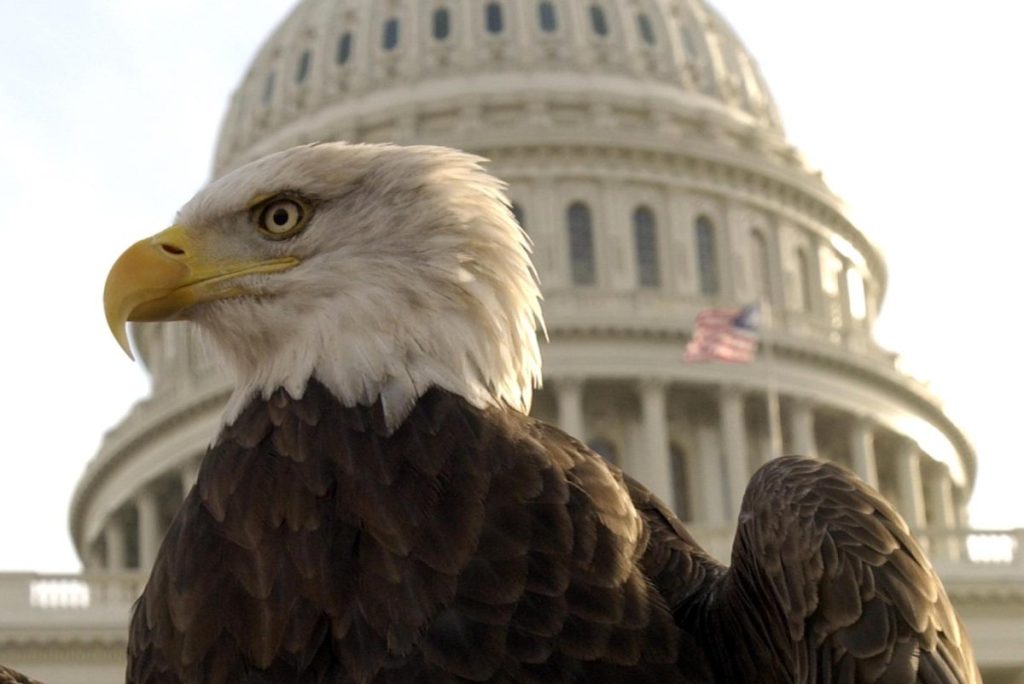
Conservation experts point to the ESA’s remarkable success in saving numerous species, including the whooping crane, bald eagle, and gray wolf, as a testament to its effectiveness. However, the revised rule change has sparked concerns that this progress may be reversed, putting these species and their habitats at greater risk.
Interior Secretary Doug Burgum has defended the decision, stating that the previous approach had led to an overreach of federal authority and imposed undue burdens on landowners and businesses. However, environmental advocates argue that the revised rule is a blatant attempt to roll back critical protections and prioritize private interests over the well-being of imperiled species.
Earthjustice attorney Kristen Boyles has vowed to take the Trump administration to court, asserting that the rule change is both scientifically and legally flawed. ‘This decision is a clear indication of the administration’s disregard for the ESA’s core purpose and the well-being of the species it was designed to protect,’ Boyles said in a statement.
The Trump administration’s decision to rescind this key provision of the ESA has sparked a heated debate about the future of environmental protection in the United States. As the country grapples with the complexities of balancing human interests with the need to preserve biodiversity, one thing is clear: the fate of imperiled species hangs in the balance.
Environmental advocates and conservationists are urging the public to remain vigilant and to demand that their elected officials prioritize the protection of endangered species and their habitats. By working together, they hope to ensure that the ESA continues to serve as a powerful tool in the fight against extinction.
While the Trump administration’s decision has sent shockwaves through the environmental community, it remains to be seen whether this revised rule will ultimately stand the test of time. One thing is certain, however: the future of imperiled species and their habitats hangs precariously in the balance, and it is up to us to ensure that their protection remains a top priority.