Iran’s Supreme Leader Escalates Rhetoric Against the US
Iran’s supreme leader, Ayatollah Mojtaba Khamenei, has reignited the war of words between Iran and the United States by labeling the US as the ‘Great Satan.’ This epithet, first coined by Ayatollah Ruhollah Khomeini in November 1979, was used in response to the US embassy hostage crisis in Tehran.
Source: cdnph.upi.com
The latest outburst came via social media posts on X and Telegram, where Khamenei stated that the US has once again revealed its ‘true, unmasked face’ and ‘criminal nature.’ He further emphasized that the US has a ‘doctrine’ of ‘coercion, totalitarianism, and brutality,’ which has been repeatedly demonstrated through its actions in the region.
Referring to the memorandum of understanding (MOU) signed by the Presidents of Iran and the United States, Khamenei said that the US has consistently breached the agreement, highlighting the ‘worthlessness’ and ‘lack of credibility’ of the US President’s signature. He also reiterated the notion that the US is inherently driven by a ‘malicious nature,’ which has been laid bare through its actions.
A History of Tensions Between Iran and the US
The ‘Great Satan’ label was first used in response to the 1979 US embassy hostage crisis in Tehran, where 66 American diplomats and civilians were taken hostage for 444 days. Since then, the US-Iran relations have been strained, with periods of relative calm punctuated by intense conflicts.
Today, the situation is no different, with both countries engaging in a war of words and actions in the Persian Gulf. The Strait of Hormuz, a vital waterway for oil and gas transport, has become a focal point of contention, with both countries enforcing blockades in the region. Iran has prevented ships from passing through the strait, while the US has blocked Iranian ships and ports.
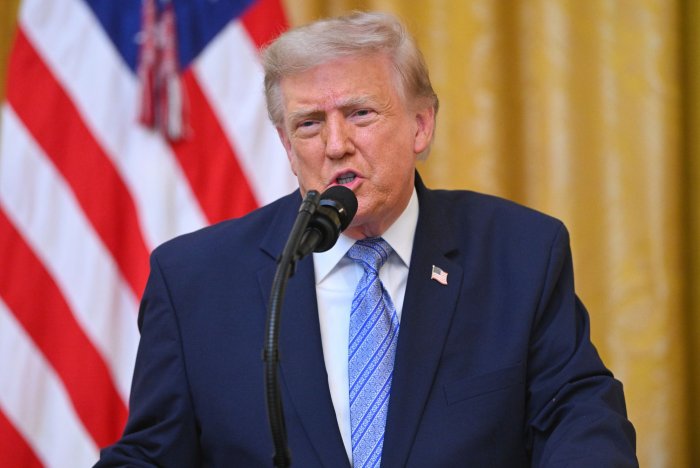
As tensions escalate, President Donald Trump has remained relatively silent, failing to respond to Khamenei’s latest outburst on social media. This silence has been interpreted as a sign of the US’s continued inaction in the face of escalating tensions.
Iran’s actions in the region have also been met with criticism from other countries. The US has called on Iran to cease its aggressive actions, while the UK has expressed concerns over the safety of its citizens in the region. Meanwhile, Israel has continued to bomb Lebanon, further escalating the conflict in the region.
In a related development, a British counter-terrorism police officer has been arrested in connection with an alleged Iranian spy ring. The arrest is believed to be linked to a wider investigation into Iranian espionage activities in the UK.
As the situation in the Persian Gulf continues to deteriorate, the international community is left wondering what the next move will be from both Iran and the US. Will the US take action to counter Iran’s aggressive actions, or will it continue to remain silent and allow the situation to escalate further?