President Trump’s Executive Order Sparks Controversy
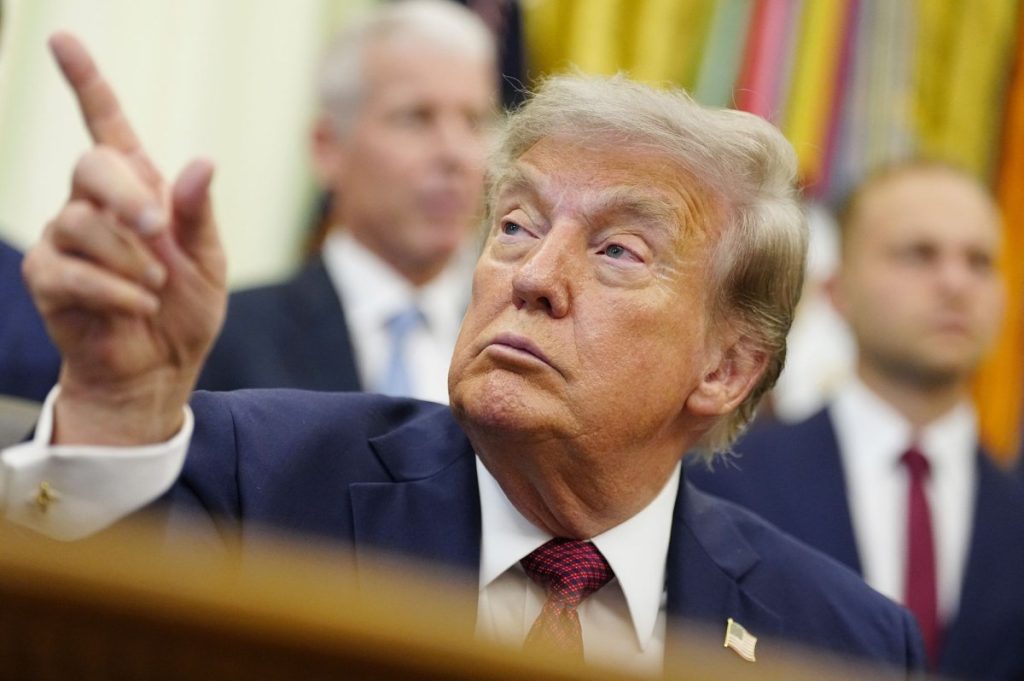
President Donald Trump has ordered the Smithsonian’s National Museum of American History to add signage warning visitors about ‘ideological’ views in some of its displays. The move is part of a broader effort by the Trump administration to challenge the presentation of American history in museums and educational institutions.
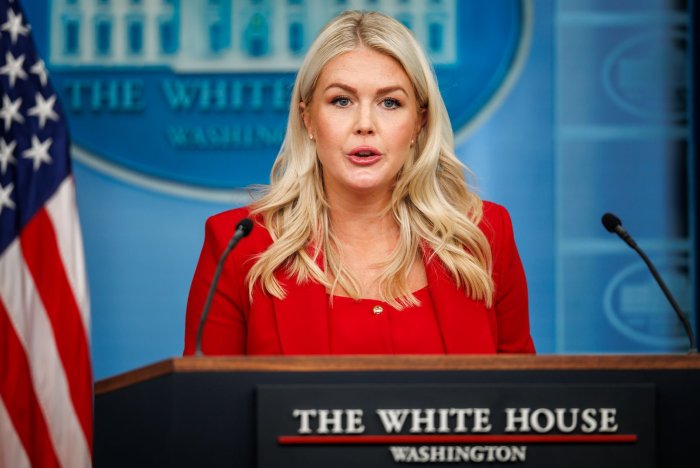
Source: cdnph.upi.com
The executive order was issued on July 24, following a report that was released on July 4. The report, which was the subject of a contentious House subcommittee meeting on Thursday, alleged that the Smithsonian’s American History museum was practicing ‘extreme political activism’ in its exhibits and the language it uses in them.
The report claimed that the museum was misusing federal funds and promoting a ‘divisive, politically biased’ revision of American history. It also accused the museum of viewing American history as a ‘prime tool’ to advance the ideas of social justice and the radical transformation of society.
In response to the report, Trump issued an executive order directing the Department of the Interior to bear the cost of signs and changes to exhibits throughout the museum. The order also requires the museum to add signage warning visitors about the ‘ideological’ views presented in some of its displays.
The move has sparked widespread criticism from historians, educators, and cultural institutions. Many have accused Trump of attempting to censor the presentation of American history and imposing his own ideological views on the museum’s exhibits.
The Smithsonian’s leadership has defended the museum’s work, saying that it presents American history in a way that is accurate and respectful of all perspectives. The museum’s director has also stated that the museum will continue to present American history in a way that is inclusive and representative of all Americans.
The controversy surrounding the executive order has raised questions about the role of government in shaping the presentation of American history. It has also highlighted the tension between competing ideological views on the presentation of American history and the importance of preserving the accuracy and integrity of historical accounts.
As the debate continues, one thing is clear: the presentation of American history is a complex and contentious issue that requires careful consideration and respect for all perspectives. By adding signage warning visitors about ‘ideological’ views, Trump’s executive order has sparked a national conversation about the role of government in shaping the presentation of American history.
Below are some of the key points from the executive order and the report:
- The executive order directs the Department of the Interior to bear the cost of signs and changes to exhibits throughout the museum.
- The order requires the museum to add signage warning visitors about the ‘ideological’ views presented in some of its displays.
- The report accuses the museum of practicing ‘extreme political activism’ in its exhibits and the language it uses in them.
- The report claims that the museum is misusing federal funds and promoting a ‘divisive, politically biased’ revision of American history.