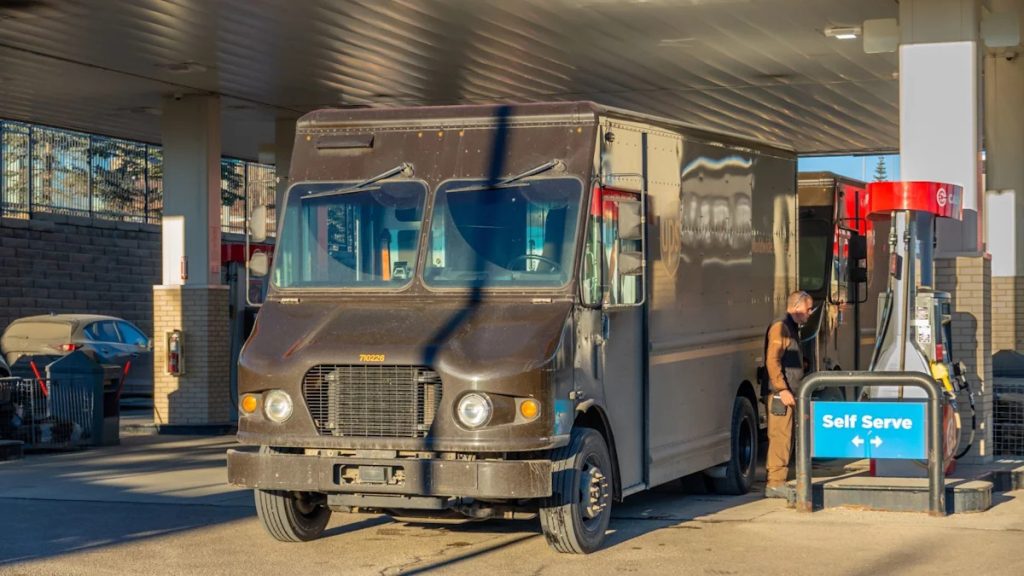
Fuel Surcharges and Parcel Shipping Rates: A Growing Concern
The express parcel rate per package has been on a steady climb, increasing by 5.9% in the second quarter. This surge is primarily attributed to elevated fuel surcharges, higher billed weight, and a rise in premium services. The TD Cowen/AFS Freight Index for express parcels is projected to reach a record high of 15.8% above the 2018 baseline in the third quarter.
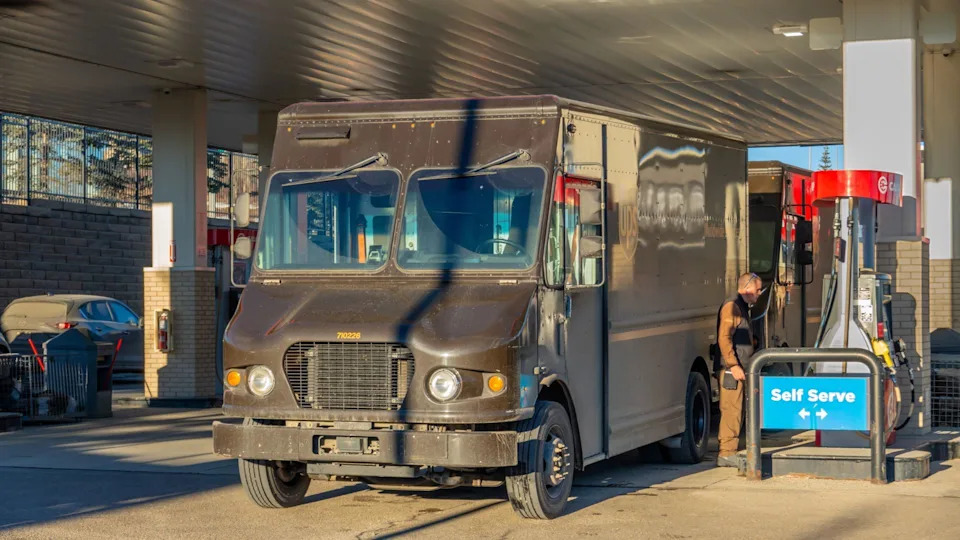
Source: s.yimg.com
Although the per-package price will only tick up 0.3% from the April-June period, the overall trend indicates a significant increase in parcel shipping costs. Ground parcel rates are expected to increase by 5.2% year over year, making 2026 the year with the highest cost per package on record. The ground parcel rate per package index is projected to ease in line with seasonal trends, falling 2.6% quarter over quarter to 38.7%.
Impact of Fuel Prices on Parcel Shipping
Fuel surcharges have become a cornerstone of FedEx and UPS pricing strategies, with collections from surcharges exceeding expenditures and acting as a profit center. The big carriers continue to rewrite the formula for calculating the fee, ensuring that fuel surcharge revenue holds firm even as actual diesel prices eventually fall.
According to the TD Cowen/AFS Logistics report, if diesel falls to $4 per gallon, shippers will still pay more than a 24% fuel surcharge, compared to just 21% under last year’s tables. In the second quarter, spiking diesel prices translated into an average net fuel surcharge per package increasing by 40% year over year.
Fuel prices, however, are on their way back up. The resurgence of hostilities between the United States and Iran over the weekend caused the retail diesel price to jump 22 cents to $4.79 per gallon on Monday after a nine-week decline. Although prices are still lower than they were four weeks ago, this upward trend is likely to continue, further increasing fuel surcharges and parcel shipping costs.
Shippers Turning to Alternative Carriers
Shippers, weary from repeated rounds of fuel surcharges and accessorial charges, are increasingly switching to Amazon and smaller, alternative carriers that don’t impose surcharges to the same degree as major carriers like FedEx and UPS. Regional and last-mile carriers, such as OnTrac, GLS, Spee-Dee, Veho, and UniUni, more than doubled their volumes from 2024 to 2025, according to the Pitney Bowes parcel shipping report in June.
Alternative carriers now represent 7.2% of the market, up from 3.4%. Most of the share gain came at the expense of UPS, which saw its volume fall from 34% to 31.6%. Amazon, the U.S. Postal Service, and FedEx volumes had relatively flat volumes, year over year, Pitney Bowes said.