
Shame and the Inner Work of Healing
In a recent conversation with a friend, he revealed a moment where he chose not to disclose his sexual orientation to a barber at an airport. This wasn’t due to fear, but rather a desire to avoid disrupting the barber’s heteronormative assumption. However, upon reflection, he felt disappointed in himself for not being honest, highlighting the lingering impact of shame and internalized homophobia on the lives of gay men.
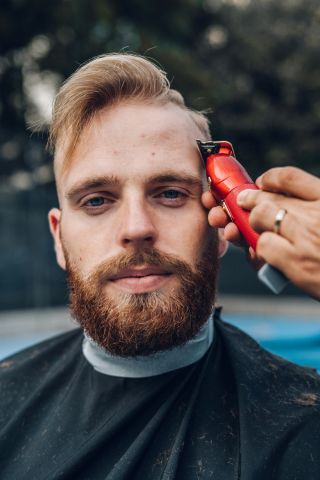
Source: cdn2.psychologytoday.com
As a therapist, I’ve witnessed many clients grapple with the feeling that there’s something missing, despite being ‘out’ and successful. The truth is that, while visibility and progress have increased, the inner work of healing shame, internalized homophobia, and spiritual disconnection remains largely unaddressed.
The Stigma of Internalized Homophobia
Admitting internalized homophobia can be stigmatized, as it’s seen as a betrayal of the community. This fear of judgment and the pressure to safeguard our image by avoiding narratives that might be perceived as ‘airing our dirty laundry’ can lead to the suppression of pain for the sake of collective pride.
This phenomenon is known as protective silence, where individuals prioritize maintaining a positive image over acknowledging and addressing their internalized shame. As a result, many gay men learn to disconnect from their true selves, leading to inner conflict and a sense of disloyalty to the community.
The Power of Self-Worth Beyond External Validation
Worthiness doesn’t come from fixing external problems, but from understanding and embracing who we are at our core. This involves a deep, spiritual connection with ourselves, rather than relying on external markers of success or validation.
Internalized homophobia not only affects how we see ourselves but also impacts our relationships with others, including friendships, romantic relationships, sex lives, and coping strategies. When shame is chronic and internalized, it can lead to the projection of unhealed and unconscious shame onto others, often disguised as standards or preferences.
Distinguishing Between Healthy and Toxic Shame
It’s essential to differentiate between healthy shame, which keeps us connected to empathy and conscience, and toxic shame that says, ‘There’s something wrong with who you are.’
Toxic shame is the spiritual core of internalized homophobia and is often rooted in identity-based trauma. This trauma can be passed down generationally, and if left unaddressed, it can continue to impact our lives and relationships.
Healing and Transformation
Healing from shame and internalized homophobia requires a willingness to meet our wounds with compassion and curiosity rather than avoidance. It involves acknowledging our past and its impact on our present, and making a conscious choice to transform the present and make peace with the past.
By embracing our true selves and addressing our internalized shame, we can break free from the cycle of shame and begin to heal and transform our lives.