Amazon Takes Aim at SpaceX with Ambitious Satellite Network
In a move that could shake up the satellite internet and mobile connectivity market, Amazon has filed an application with the Federal Communications Commission (FCC) to operate a new network of 5,105 satellites that would provide service to mobile phones. The company plans to start launching these satellites in 2028, a development that could intensify the competition with SpaceX, which has dominated both the satellite internet and satellite-to-mobile services market.
The FCC application reveals Amazon’s plans to leverage Globalstar’s radio spectrum to expand its offerings and integrate them with Leo, Amazon’s broadband internet satellite network. This strategic move is significant, as it would enable Amazon to tap into a vast market and provide a comprehensive range of services to its customers.
SpaceX, on the other hand, has been working to expand its mobile constellation by spending $20 billion to buy spectrum from EchoStar. This investment is part of its growth strategy, as outlined in its IPO filings. However, the question remains whether satellite-to-mobile connections will be valuable to consumers. As the CEO of T-Mobile pointed out, these connections currently offer limited bandwidth, making them suitable only for text messages or emergency situations.
According to Srini Gopalan, the CEO of T-Mobile, satellite usage accounts for a mere 0.0002% of the company’s total network usage. This statistic highlights the challenges that Amazon and other satellite-based service providers face in convincing consumers to switch to satellite-based services.
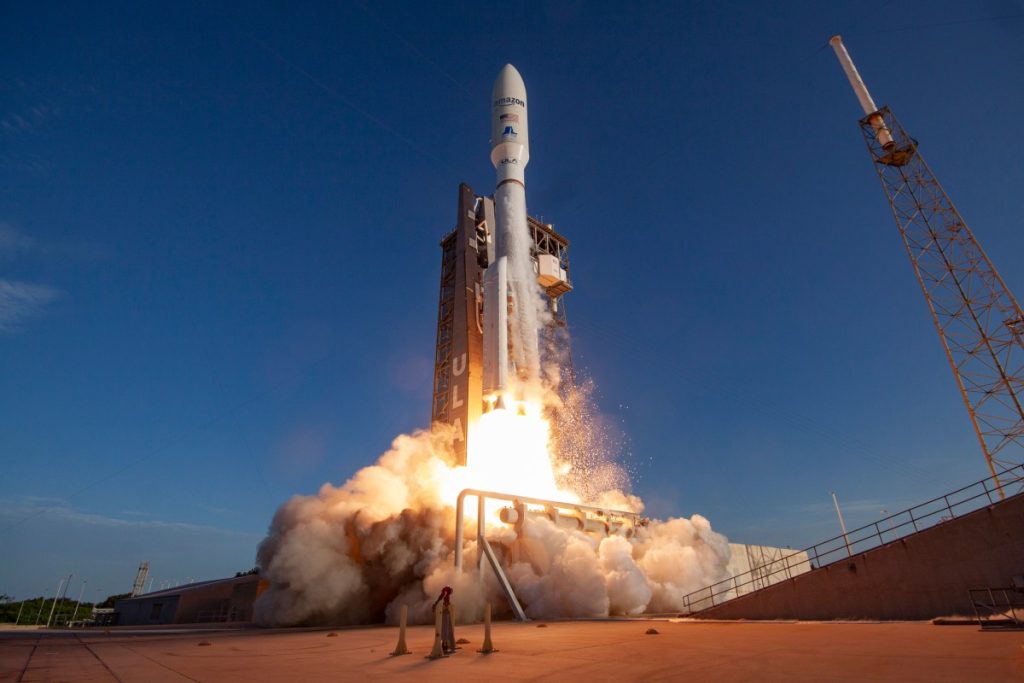
Amazon’s plans are not without their challenges, however. The company does not have its own fleet of rockets, and it had initially planned to depend on Blue Origin, Jeff Bezos’ space company, to launch its satellites. However, the New Glenn rocket has been delayed and is currently grounded following an anomaly that destroyed its launch pad in May. As a result, Amazon has had to request an extension to the deadline imposed by its FCC license to build out its network.
Despite these challenges, Amazon’s massive capital reserves, totaling $255 billion as of the end of April, mean that it can continue to invest in its network. This financial muscle gives Amazon a significant advantage over SpaceX, which appears to be facing more pressing capital needs.
As the satellite-based service market continues to evolve, Amazon’s entry into the market could spark a new wave of innovation and competition. With its vast resources and ambitious plans, Amazon is poised to shake up the industry and challenge the dominance of SpaceX.