
LinkedIn Aims to Reduce AI-Generated ‘Slop’ with New Reporting Feature
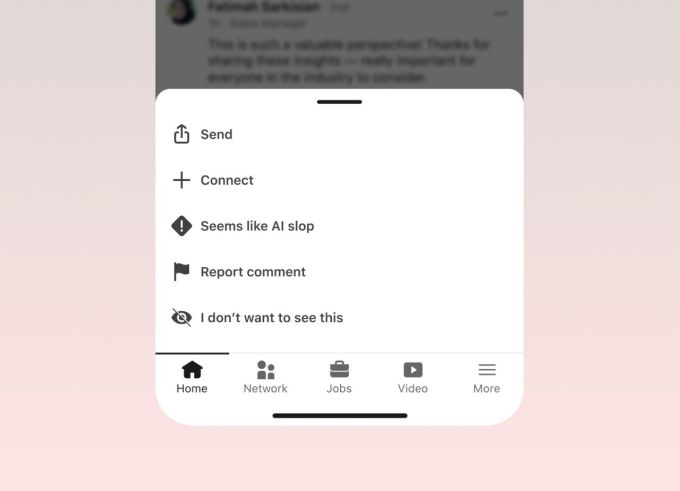
LinkedIn is taking a bold step in the fight against low-quality, artificially generated content, commonly referred to as ‘AI slop.’ The company has announced a new feature that allows users to report posts they suspect were written using AI. This move reflects a broader shift across online publishing platforms to tackle the issue of AI-generated content, which has become a growing concern for users.
Source: techcrunch.com
The term ‘AI slop’ refers to low-quality, inauthentic content generated by AI algorithms. It’s a problem that has plagued online platforms for some time, with users growing frustrated with the abundance of computer-written posts filling the web. The issue has become so pressing that even new startups have been forced to shut down due to the sheer volume of bots flooding their sites.
Cloudflare, an internet infrastructure firm, has reported a significant increase in bot traffic on the web. In fact, they’ve reached a milestone where there’s now more bot traffic on the web than human-generated requests. This has happened faster than they had previously predicted, highlighting the severity of the issue.
In a post on LinkedIn, the company’s Chief Product Officer, Hari Srinivasan, acknowledged the problem and outlined the company’s plan to address it. Srinivasan explained that the new ‘Seems like AI slop’ button is just one of several measures LinkedIn is taking to reduce the amount of low-quality, AI-generated content on its platform. The company is also investing in automation defenses, where it now blocks hundreds of thousands of automated comment attempts daily, and millions of other automation attempts in just the past couple of months.
LinkedIn is also introducing new classifiers to identify if a post is AI-generated ‘slop’ or other low-quality content. This will help reduce the amount of ‘slop’ users see in suggested content recommendations from outside their network. The ‘Seems like AI slop’ button ties into this measure, providing a source of signal that will allow LinkedIn to tune its AI models to better identify ‘slop.’
Furthermore, LinkedIn will begin privately flagging users’ dashboards when people believe their content is coming off as inauthentic due to heavy use of AI. This will help posters improve their writing, in the case that they’re simply using AI technology to refine their own work, rather than when they’re posting what’s considered full-on ‘slop’ content.
Notably, the company is pulling its own ‘enhance your post’ feature that had used AI to help users write. It’s replacing it with a feature that proofreads users’ words, instead of changing their voice. This move highlights LinkedIn’s commitment to maintaining the authenticity and quality of its users’ content.
Other improvements include expanding access to profile and page verification tools and adding an option to block comments from company pages users no longer want to see. These changes demonstrate LinkedIn’s ongoing efforts to create a more authentic and engaging experience for its users.
As the fight against AI-generated ‘slop’ continues, it’s clear that online platforms are taking a more proactive approach to addressing the issue. By investing in automation defenses, introducing new classifiers, and providing users with tools to report suspicious content, LinkedIn is setting a precedent for other platforms to follow.
In the end, the goal is to create a more authentic and engaging experience for users. By tackling the issue of AI-generated ‘slop,’ LinkedIn is taking a significant step towards achieving this goal.